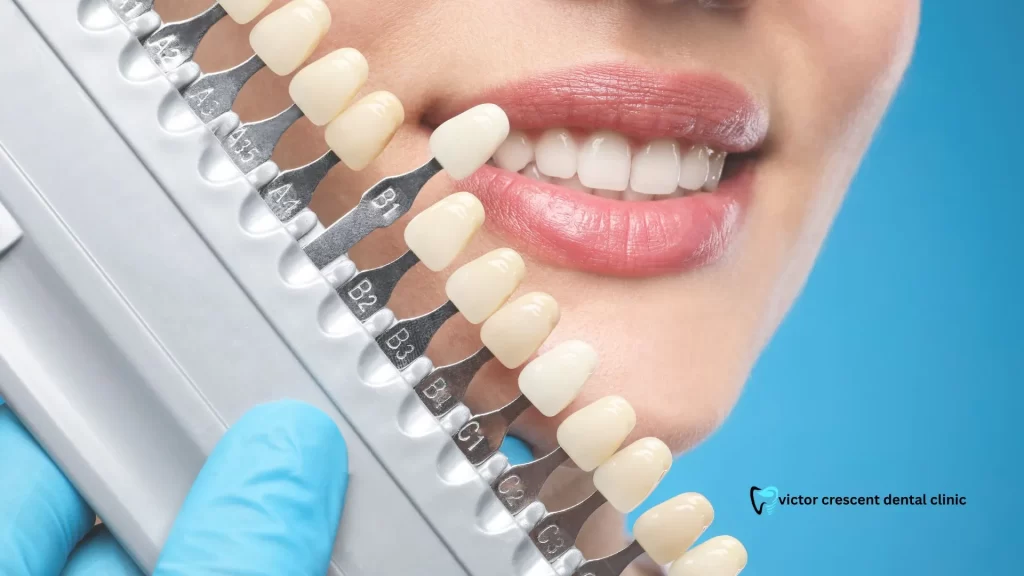
Dental crown is often the best way to restore its strength, function, and appearance, when a tooth is damaged, weakened, or heavily decayed. But with so many crown materials available today porcelain, zirconia, ceramic, metal, and porcelain fused to metal choosing the right one can feel overwhelming.
In this detailed guide from the dentist in Narre Warren, Australia, explain the essential things every patient should understand before stepping into a clinic and making an informed decision about dental crowns
What Is a Dental Crown?
A dental crown is a custom made cap that fits over a damaged or weakened tooth. It restores the tooth’s shape, size, strength, and overall appearance. Crowns are commonly recommended for:
- Large cavities
- Broken or fractured teeth
- Root canal treated teeth
- Cosmetic improvements
- Teeth weakened by grinding or old fillings
Choosing the right crown material ensures better comfort, durability, and aesthetics.
The Most Common Dental Crown Materials Explained
1. Porcelain Crowns
Porcelain crowns are popular for front teeth because they closely mimic natural tooth enamel.
Pros:
- Highly aesthetic and natural looking
- Stain resistant
- Ideal for visible teeth
Cons:
- Not as strong as zirconia
- Can chip under heavy bite pressure
Best for: Front teeth and smile – focused treatments
2. Zirconia Crowns
Zirconia is one of the strongest and most durable materials available.
Pros:
- Extremely strong and crack-resistant
- Long lasting
- Good for patients who grind their teeth
- Suitable for molars and high bite areas
Cons:
- Less translucent than porcelain (though newer “high-translucency zirconia” has improved this)
Best for: Back teeth and durability focused treatments.
3. Porcelain Fused to Metal (PFM) Crowns
PFM crowns combine a metal base with a porcelain outer layer.
Pros:
- Strong and reliable
- Aesthetic but still durable
- Long history of successful use
Cons:
- Metal can sometimes show at the gumline
- Not as natural looking as all porcelain
Best for: Patients wanting durability + improved aesthetics.
4. All Ceramic Crowns
Ceramic crowns offer good aesthetics without metal.
Pros:
- Metal free
- Natural translucency
- Suitable for patients with metal allergies
Cons:
- Less strong than zirconia
- Better for low bite pressure areas
Best for: Front teeth and natural appearance.
5. Full Metal Crowns (Gold or Alloy)
Metal crowns are exceptionally durable.
Pros:
- Longest lasting material
- Rarely chips or breaks
- Requires minimal tooth removal
Cons:
- Gold or metal colour is visible
- Less popular for cosmetic reasons
Best for: Back molars and long term durability.
How Dentists Help You Choose the Right Crown
Dentists consider several factors before recommending a crown:
- Tooth location (front vs. back)
- Your bite strength
- Cosmetic needs
- Budget
- Any grinding habits (bruxism)
- Gum condition
- Material allergies or sensitivities
For example:
- A back tooth often benefits from zirconia for strength.
- A front tooth may look best with porcelain or ceramic.
- Patients who grind their teeth often need stronger materials.
What to Expect During a Dental Crown Procedure
1. Examination & Consultation
Your dentist assesses the tooth and recommends the most suitable crown material.
2. Tooth Preparation
The tooth is shaped to fit the crown.
3. Impression or Digital Scan
A mould or scan is taken to design your custom crown.
4. Temporary Crown (if needed)
A mould or scan is taken to design your custom crown.
4. Temporary Crown (if needed)
A temporary crown protects the tooth while your final crown is being made.
5. Final Crown Placement
The custom crown is cemented securely into place, restoring your smile.
How Long Do Dental Crowns Last?
On average, dental crowns last 10 -15 years, but high-quality zirconia or gold crowns can last even longer with good care.
To make your crown last:
- Brush and floss daily
- Avoid chewing ice/hard foods
- Attend regular dental check ups
- Wear a nightguard if you grind your teeth
Which Dental Crown Is Best for You?
Here’s a simple guide:
- Best for front teeth: Porcelain or all-ceramic
- Best for molars: Zirconia
- Best for strongest durability: Gold or full metal
- Best value + durability: PFM
- Best for natural beauty: Porcelain
Your dentist will guide you based on your tooth condition, goals, and budget.
Final Thoughts
Choosing the right dental crown doesn’t have to be confusing. By understanding the pros and cons of each material and working closely with your dentist, you can make a confident decision that supports both your oral health and your smile’s appearance for years to come.
dental crown, narre warren australia
At Victor Crescent Dental Clinic, we provide gentle family dentistry, dental crowns and bridges, orthodontics, clear aligners, children’s dentistry, cosmetic treatments, and emergency dental care. Our experienced team is committed to delivering comfortable, high-quality care for patients of all ages
Book your appointment today and experience the difference.
Zirconia crowns are stronger and better for back teeth, while porcelain crowns are more natural-looking and ideal for front teeth. The “best” choice depends on your needs.
Dental crowns typically last 10–15 years but can last longer with proper oral care, regular check-ups, and avoiding habits like grinding or chewing hard items
Your dentist will recommend a crown based on tooth location, strength requirements, aesthetic goals, and your bite. Front teeth usually suit porcelain or ceramic, while back teeth often need zirconia.
Looking for a dentist for Dental crown treatment in Narre Warren, Berwick, Pakenham, Hampton Park, Hallam, and surrounding suburbs ?
Visit : https://www.vcdentalclinic.com.au